
Why Moving Abroad Feels Harder Than Expected: Identity, Attachment, and the Psychological Challenge of Relocation
Moving abroad? Discover why relocation feels hard, how to cope with stress, build connections, and find therapy abroad.
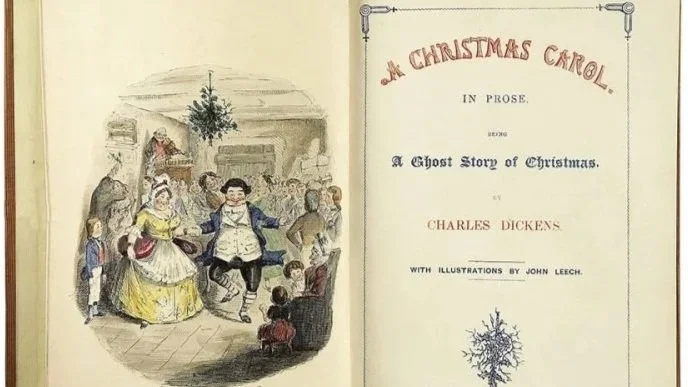
Navigating Christmas: How to be Present
For many of us, Christmas brings not just tinsel and mince pies, but a return to old family roles, heightened emotions and the pressure to feel joyful on demand. This gentle psychotherapy blog reflects on Christmas stress, nervous system overwhelm and family dynamics, with a compassionate nod to A Christmas Carol. Drawing on trauma-informed and somatic perspectives, it explores how to navigate expectations, honour neurodiversity, set kinder boundaries and rediscover the spirit of connection over perfection. A reassuring read for anyone who wants a more grounded, human — and Scrooge-approved — approach to the festive season.

Halloween Therapy: What the Spirits Can Teach Us About Living
Here´s some therapising of Halloween - a psychological and cultural invitation to face grief, loss, and the parts of ourselves we often avoid. Drawing on traditions like Día de los Muertos and Celtic folklore, it shows how suppressed grief and unacknowledged “shadow” aspects can linger like inner ghosts. Healing begins when we bring these hidden experiences into the light, reminding us that what we face with compassion loses its power to haunt us.

Walk It Off: How Walk Therapy Works
Walk therapy offers a fresh, grounded approach to counselling. Instead of sitting in a room, therapist and client walk side by side, allowing conversation to flow in rhythm with movement. Backed by neuroscience, walking can quiet the overactive mind, stimulate creativity, and support emotional processing. Whether along a quiet path or in Valencia’s Turia gardens, these sessions engage the whole self—physically, emotionally, and cognitively—offering a dynamic alternative to traditional therapy.

Para-Addiction: Do We Need a Term for the Syndrome Affecting Loved Ones of Addicts?
Para-Addiction: Do We Need a Term for the Silent Syndrome Affecting Loved Ones of Addicts?
In years of working with adults who grew up in homes affected by addiction, one analogy has always stood out: treating a cactus houseplant. People assume it thrives on neglect—requiring little water, little attention, and existing with a prickly, defensive exterior. In reality, this survival mechanism is a direct response to its environment.
Are You Shoulding All Over Yourself? The Tyranny of the Idealised Self
Are You Shoulding All Over Yourself? The Tyranny of the Idealised Self
Does your thinking lead you where you want to go?
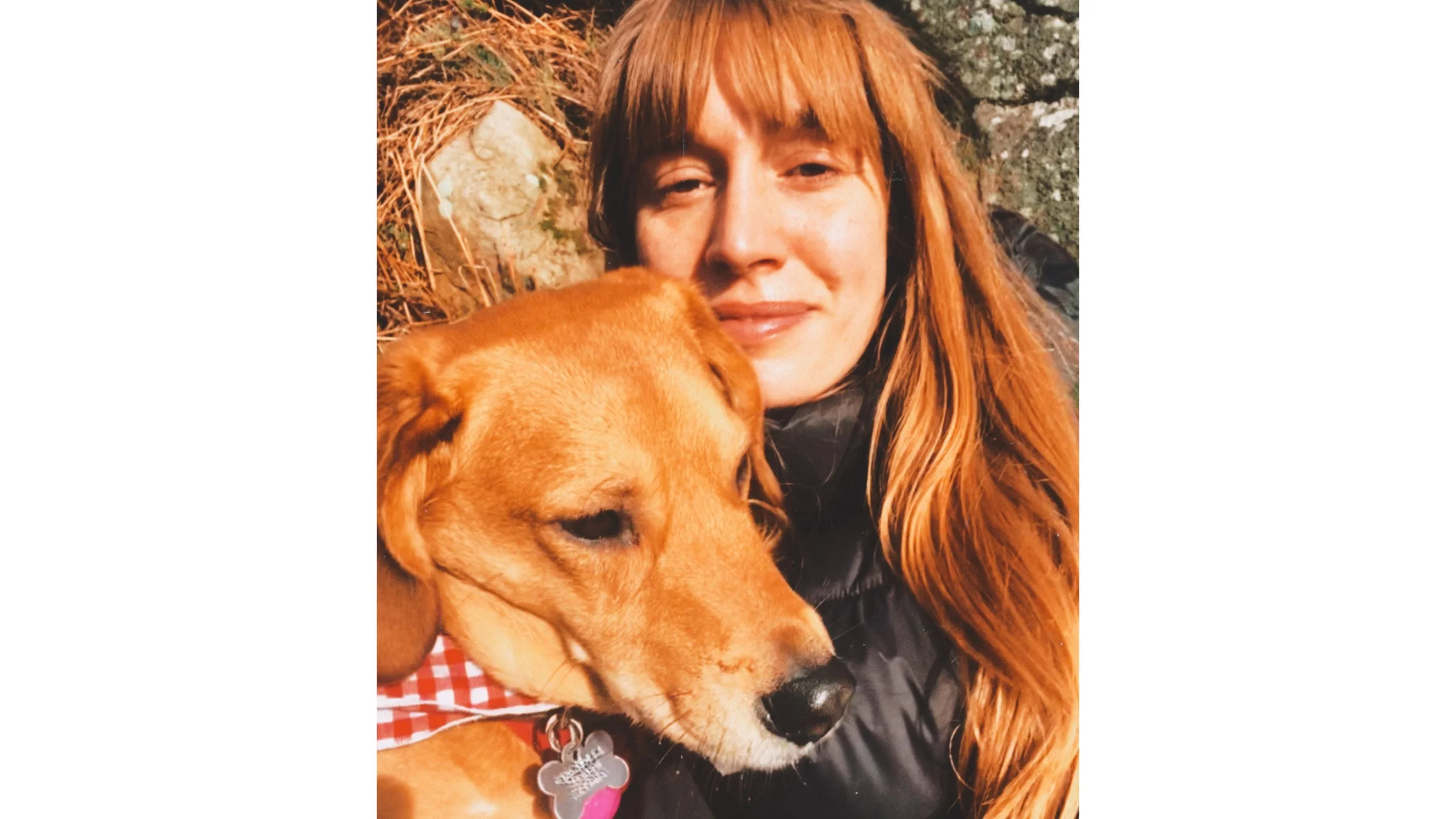
A Dog´s Guide to Mindfulness
A Dog´s Guide to Mindfulness - A person’s best friend can offer valuable tools in activating the parasympathetic nervous system, as well as stealing food off the table when no one is looking.
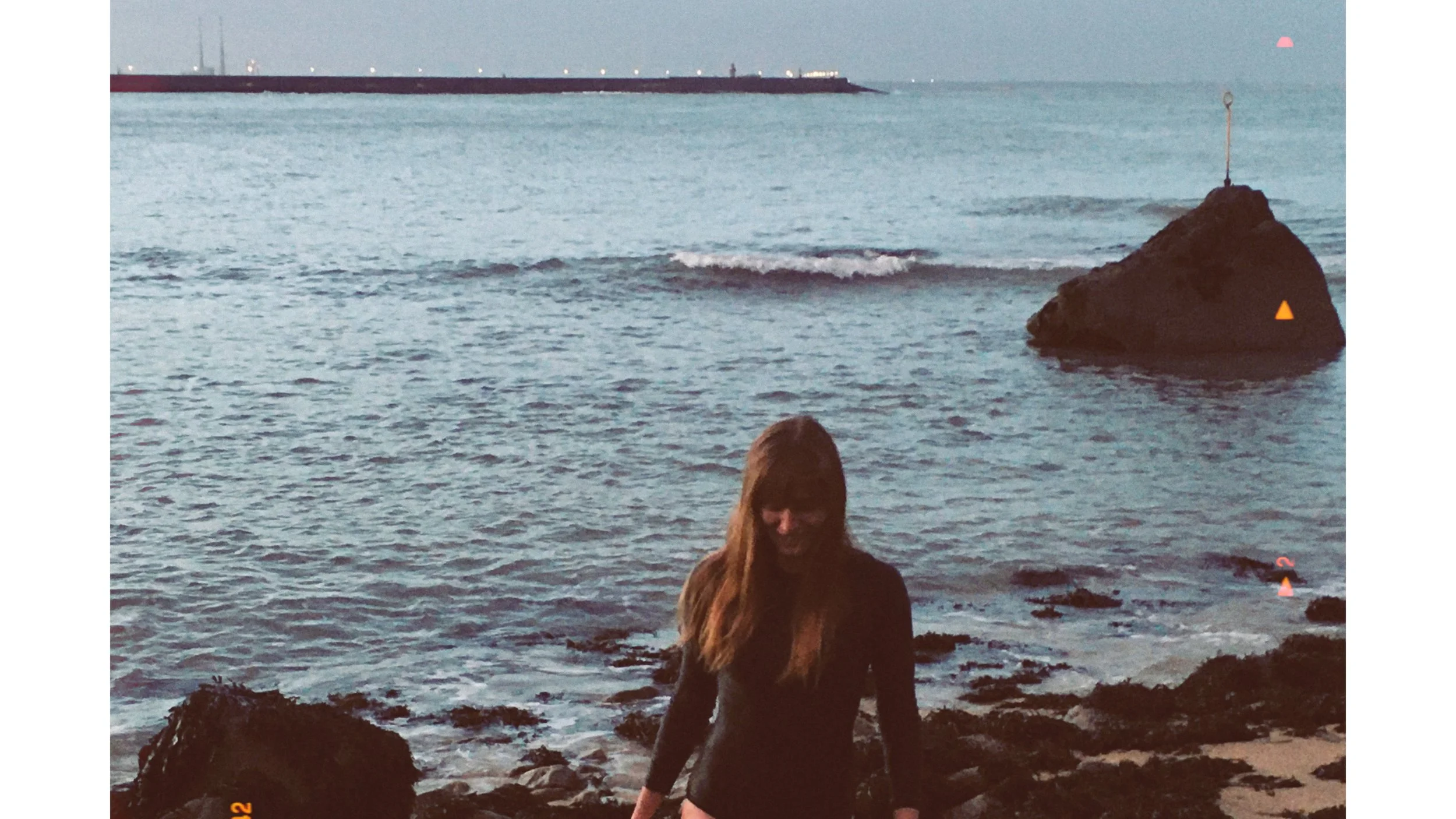
The Power of the Cold Plunge
The Power of the Cold Plunge - An introduction to the benefits of wild swimming

The Art of Focusing on the Donut and not the Hole: A Guide to Letting Go and Growing
The Art of Focusing on the Donut and not the Hole: A Guide to Letting Go and Growing
This piece is inspired by two things close to my heart: the work of director David Lynch and donuts. Before his recent passing, Lynch, a man who spent decades exploring the subconscious through iconic films and TV series, lived by the mantra: “Keep your eye on the donut, not the hole.” It’s a metaphor worth savouring, especially when it comes to navigating our inner lives. A champion of meditation, Lynch often celebrated how much could be gained from focusing on what’s within our grasp to change.